As consumer preferences shift toward natural biochemistries, bee-derived substances have moved from traditional remedies to subjects of clinical interest. Among these materials, bee propolis—a dense, resinous substance synthesized by honeybees from botanical saps—presents one of the most complex chemical profiles found in nature.
While commercial marketing often labels propolis as a universal "immune shield" or "wellness cure," nutritional science requires a more critical approach. This investigation evaluates what clinical research has established regarding bee propolis benefits, analyzes its complex chemical composition, and outlines standardized dosage formats for everyday wellness.
1. Active Composition & Bio-Markers
Propolis is a structurally diverse material. Because bees gather resin from poplars, birches, pines, and other native flora, the exact chemical profile of raw propolis varies based on geography, seasonal factors, and botanical access. However, scientific assays indicate that raw propolis generally consists of:
- 50% Resins & Balsams: High-molecular-weight plant compounds containing active bio-flavonoids.
- 30% Beeswax: Dense esters added by bees to structure and mold the compound.
- 10% Essential Oils: Volatile compounds that give propolis its distinct herbal aroma.
- 5% Pollen: Trace proteins collected during foraging.
- 5% Organic Impurities: Natural hive residues and organic minerals.
From a therapeutic perspective, the most important constituents are the polyphenols—specifically flavonoids (such as pinocembrin, galangin, and chrysin) and phenolic acids (such as caffeic acid phenethyl ester, or CAPE). These organic molecules are studied for their antioxidant activities, which help neutralize free radicals at the cellular level.
2. What Clinical Research Shows
In evaluating the human benefits of bee propolis, it is essential to distinguish between preliminary laboratory models and established, peer-reviewed clinical research.
What Research Suggests
Clinical trials suggest that topical and oral propolis preparations may support healthy mucosal barriers. When applied as a throat spray or oral rinse, propolis resin forms a protective coating that soothes minor irritations of the pharynx and oral cavity.
Additionally, pilot human trials suggest that propolis extract, when taken as a dietary supplement, may support the body's natural defense pathways during seasonal changes by providing concentrated antioxidant polyphenols. Some dental health research also indicates that non-alcoholic propolis oral washes can help reduce the accumulation of superficial dental plaque.
What Research Has Not Established
Despite broad commercial claims, propolis has not been proven to treat, cure, or prevent any acute or chronic disease, including viral infections, cardiovascular disorders, or respiratory illnesses. Research has also not established that propolis can replace standard medical care or pharmaceutical therapies.
3. Available Supplement Forms
Propolis is processed into several delivery formats, each serving distinct wellness needs:
| Supplement Format | Typical Composition | Primary Intended Wellness Target | Consumer Considerations |
|---|---|---|---|
| Liquid Extracts / Tinctures | Concentrated propolis resin dissolved in alcohol or vegetable glycerin. | Direct oral application or throat coating. | Alcohol-based formulas have a sharp taste; glycerin formulas are milder but less concentrated. |
| Capsules & Tablets | Dehydrated propolis powder combined with standard cellulose binders. | Daily antioxidant and systemic polyphenol support. | Easy to consume; bypasses the strong resinous taste. |
| Topical Gels & Balms | Propolis extract blended into moisturizing oil or wax bases. | Superficial skin soothing and dry-barrier moisture support. | Must only be applied to intact, non-compromised skin surfaces. |
4. Dosage & Standard Guidelines
Because propolis is classified as a dietary supplement, regulatory agencies have not established a standard Reference Daily Intake (RDI). However, manufacturers and clinical studies typically employ standardized parameters:
- General Oral Extract: 200 mg to 500 mg of active propolis solids daily, taken in divided doses.
- Concentration Labeling: When reviewing liquid tinctures, look for bottles that state the exact "dry weight equivalent" or standardize the total flavonoid content (e.g., 20 mg of active flavonoids per serving), rather than simply listing the total liquid volume.
- Administration Timing: Oral extracts are best taken with a meal containing healthy fats to optimize the absorption of fat-soluble polyphenolic compounds.
5. General Safety Profile
Although generally well-tolerated by most adults, propolis is a highly active substance derived from diverse botanical sources, making safety precautions essential.
CRITICAL PATIENT WARNING: Bee propolis can trigger severe hypersensitivity reactions. Individuals with documented allergies to bee stings, bee venom, conifers, poplars, or salicylates must avoid using propolis in any form. Additionally, because raw propolis can contain trace botanical allergens, asthmatic individuals should seek medical clearance before introducing oral or inhaled propolis supplements.
Furthermore, due to the presence of active plant resins, pregnant or nursing individuals should avoid using propolis supplements unless explicitly cleared by their obstetrician or healthcare provider.
6. Product Reference
For consumers looking for a high-purity, standardized capsule to support daily antioxidant intake, the following product serves as an industry benchmark.
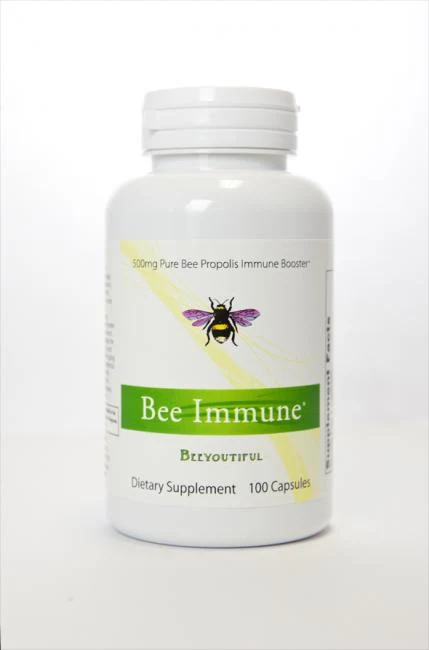
Beeyoutiful Bee Propolis (100 Capsules)
This dietary supplement consists of propolis capsules, each containing 500mg of bee propolis. Manufactured in the USA, the product is packaged in a 100-capsule format, offering a simple solid oral composition and delivery format.
View Product on BeeyoutifulIn conclusion, bee propolis offers a compelling array of plant-derived polyphenols that can support mucosal comfort and provide natural antioxidant defense. By selecting standardized extracts, matching delivery formats to your needs, and observing safety warnings, you can safely integrate this historic bee-derived resin into your wellness routine.